1. Cellular Organization:
* Membrane-bound organelles: Both have a nucleus, endoplasmic reticulum, Golgi apparatus, mitochondria, and lysosomes. These organelles compartmentalize cellular functions, allowing for greater efficiency and specialization.
* Cytoplasm: Both contain cytoplasm, a gel-like substance that fills the cell and houses the organelles.
2. DNA Structure and Function:
* DNA as genetic material: Both use DNA as their genetic material, organized into chromosomes.
* Gene expression: Both transcribe DNA into RNA and translate RNA into proteins. This process allows for the expression of genes and the production of essential proteins.
* Similar metabolic pathways: Both share many metabolic pathways, such as glycolysis and the Krebs cycle, for energy production.
3. Cell Cycle and Division:
* Mitosis: Both undergo mitosis, a process of cell division that produces two identical daughter cells.
* Cell cycle regulation: Both have mechanisms to regulate their cell cycle and ensure proper division.
4. Signaling Pathways:
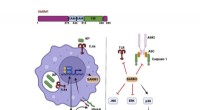
* Similar signaling pathways: Both have similar signaling pathways, such as the MAPK pathway, for responding to external stimuli and coordinating cellular processes.
5. Protein Synthesis:
* Ribosomes: Both use ribosomes to synthesize proteins.
* Similar protein structures: Many proteins found in yeast and humans share structural similarities, indicating common evolutionary origins.
However, it's crucial to remember that there are also significant differences between yeast and human cells. For example:
* Yeast cells are single-celled organisms, while humans are multicellular.
* Yeast cells have a cell wall, while human cells do not.
* Human cells are far more complex and specialized than yeast cells.
Despite these differences, the similarities between yeast and human cells make yeast a valuable model organism for studying cellular processes in humans. By studying yeast, we can gain insights into human biology and potentially develop new treatments for human diseases.