Here's why:
* Selectively Permeable: The cell membrane acts as a barrier, controlling what enters and exits the cell. It allows essential nutrients to enter and waste products to leave, while keeping harmful substances out. This selective permeability is crucial for maintaining the cell's internal environment, called homeostasis.
* Phospholipid Bilayer: The cell membrane is primarily composed of a phospholipid bilayer, with a hydrophilic (water-loving) head and a hydrophobic (water-fearing) tail. This structure helps create a barrier between the watery environment inside the cell (cytoplasm) and the watery environment outside the cell.
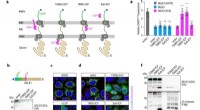
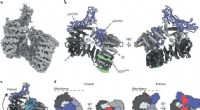
* Embedded Proteins: The cell membrane also contains various proteins embedded within it, which perform many vital functions:
* Transport Proteins: Help move substances across the membrane that cannot pass through the phospholipid bilayer.
* Receptor Proteins: Bind to signaling molecules (hormones, neurotransmitters) and trigger specific cellular responses.
* Enzymes: Catalyze (speed up) chemical reactions within the cell membrane.
* Structural Proteins: Provide support and shape to the cell membrane.
In short, the cell membrane acts as a dynamic gatekeeper, regulating the passage of substances and ensuring the cell's internal environment remains stable and suitable for life.