1. Cellular Respiration: This is the main process for ATP production. It involves three stages:
* Glycolysis: Glucose is broken down into pyruvate in the cytoplasm, yielding a small amount of ATP (2 molecules).
* Krebs Cycle (Citric Acid Cycle): Pyruvate is further broken down in the mitochondria, producing more ATP (2 molecules) and electron carriers (NADH and FADH2).
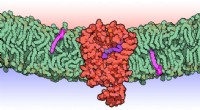
* Electron Transport Chain: The electron carriers deliver electrons to a chain of proteins in the mitochondrial membrane. This process drives the pumping of protons, creating a proton gradient. The energy stored in this gradient is used to drive ATP synthase, which produces the majority of ATP (about 34 molecules).
2. Photosynthesis (in plants): Photosynthesis is the process plants use to capture light energy and convert it into chemical energy stored in glucose.
* Light-dependent Reactions: Light energy is used to split water molecules, releasing electrons and generating ATP.
* Light-independent Reactions (Calvin Cycle): The ATP and electrons are used to fix carbon dioxide from the atmosphere into glucose. This glucose can then be used in cellular respiration to produce more ATP.
3. Other Pathways:
* Creatine Phosphate System: This system is a short-term, high-intensity energy source used in muscles. It involves the transfer of a phosphate group from creatine phosphate to ADP, producing ATP.
* Glycogenolysis: The breakdown of glycogen (stored glucose) can provide glucose for glycolysis and ATP production.
In Summary:
* ATP is primarily resynthesized through cellular respiration.
* Photosynthesis in plants is another important source of ATP.
* Other pathways, such as the creatine phosphate system and glycogenolysis, contribute to ATP resynthesis in specific situations.
Let me know if you'd like more detail on any specific aspect of ATP resynthesis!