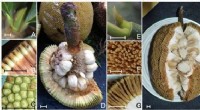
* Endosperm: This is a nutritive tissue that is present in many seeds. It's a storage tissue rich in starches, proteins, and fats, which the embryo uses as a food source during germination.
* Cotyledons: These are seed leaves that are present in the embryo. In some plants, the cotyledons are specialized to store food for the developing seedling. They transfer these nutrients to the growing embryo during germination.
Here's how it works:
1. Water Absorption: The seed absorbs water, causing it to swell and break the seed coat.
2. Enzyme Activation: The water activates enzymes in the embryo, which break down the stored food reserves (starches, proteins, and fats) into simpler sugars, amino acids, and fatty acids.
3. Nutrient Transport: These simpler nutrients are then transported to the growing embryo, providing energy for growth and development.
Examples:
* Grains (like corn and wheat): They have a large endosperm that provides the primary food source for the embryo.
* Beans and peas: They have cotyledons that are thick and fleshy, storing food for the growing embryo.
In summary: The embryo uses the food reserves stored in the endosperm or cotyledons to fuel its initial growth and development during germination.