1. Bacteria: Single-celled prokaryotes (lacking a nucleus) that are found in a wide range of environments, from soil and water to the human body. Some bacteria are beneficial, like those in our gut that aid digestion, while others can cause disease.
2. Viruses: Not considered truly living organisms, viruses are tiny particles composed of genetic material (DNA or RNA) surrounded by a protein coat. They can only reproduce by hijacking the machinery of a host cell, and can cause a variety of diseases like the flu or COVID-19.
3. Fungi: Eukaryotic organisms that include mushrooms, yeasts, and molds. They are heterotrophic, meaning they obtain nutrients from other organisms. Some fungi are beneficial, like those used in brewing and baking, while others can cause infections.
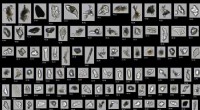
4. Protozoa: Single-celled eukaryotic organisms that are often found in water and soil. Some protozoa are parasites that can cause diseases like malaria, while others are important components of ecosystems.