1. Physical Science: This branch focuses on the study of non-living matter and its properties. It includes fields like:
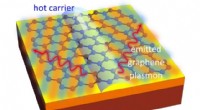
* Physics: The study of matter and its motion, as well as related concepts like energy and force.
* Chemistry: The study of the composition, structure, properties, and reactions of matter.
* Astronomy: The study of celestial objects and phenomena.
* Geology: The study of Earth's physical structure, composition, and history.
* Meteorology: The study of the atmosphere and its phenomena.
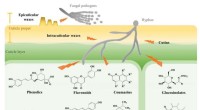
2. Life Science (or Biological Science): This branch focuses on the study of living organisms and their interactions. It includes fields like:
* Biology: The study of life in general, including its origin, diversity, structure, function, and evolution.
* Zoology: The study of animals.
* Botany: The study of plants.
* Ecology: The study of the relationships between organisms and their environment.
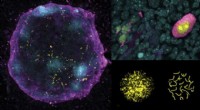
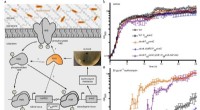
* Microbiology: The study of microscopic organisms.
It's important to note that these divisions are not always strict, and many areas of science overlap between the two branches. For example, biophysics combines principles of physics and biology to study biological systems.