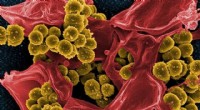
Budding:
* How it works: A small outgrowth (the bud) forms on the parent fungal cell. The nucleus and cytoplasm divide, and the bud eventually detaches, forming a new, genetically identical fungal cell.
* Common in: Many yeasts, like Saccharomyces cerevisiae (used in baking and brewing), reproduce this way.
* Advantages: Fast and efficient way to multiply in favorable conditions.
Important Notes:
* Not all fungi bud: Many fungi reproduce through other methods, like spores.
* "Buds" can also refer to: Some fungal species have structures called *conidia* or *sporophores* that produce spores, but these are not directly analogous to budding in yeast.
Let me know if you'd like more information about specific types of fungi and their reproductive methods!