Here's why:
* Reverse Transcription: Retroviruses have an enzyme called reverse transcriptase. This enzyme allows them to convert their RNA genome into DNA.
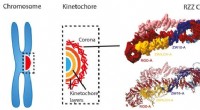
* Integration: Once the viral DNA is created, it can integrate itself into the host cell's DNA, becoming a permanent part of the host chromosome.
* Provirus: The integrated viral DNA is called a provirus. It can remain dormant or can be transcribed and translated to produce new viral particles.
Examples of retroviruses include:
* HIV (Human Immunodeficiency Virus)
* HTLV (Human T-lymphotropic Virus)
Important Note: Not all viruses integrate their genetic material into host chromosomes. Some viruses replicate independently in the cytoplasm, while others might integrate into host DNA using different mechanisms.