Here's a breakdown:
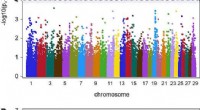
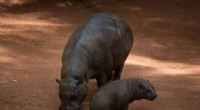
* Variation: Refers to the differences in traits among individuals within a population of the same species. This variation arises from genetic differences (mutations) and environmental factors.
* Inherited Traits: These are characteristics passed down from parents to offspring through genes. Examples include eye color, hair color, height, and susceptibility to certain diseases.
* Genetic Differences: Variations in the DNA sequences of individuals create unique combinations of genes, leading to different traits.
* Environmental Factors: The environment can also influence how genes are expressed, contributing to variation. For instance, nutrition can affect height.
Why is variation important?
Variation is essential for a species' survival because:
* Adaptation: Variation allows a species to adapt to changing environments. Individuals with traits that are advantageous in a particular environment are more likely to survive and reproduce, passing on those beneficial traits.
* Evolution: Variation is the raw material for evolution. Over generations, natural selection acts on existing variation, leading to gradual changes in the genetic makeup of a population.
* Disease Resistance: A diverse population is less likely to be wiped out by a single disease because some individuals might possess genes that make them resistant.
Examples of variation:
* Humans: People have different eye colors, skin tones, hair textures, and heights.
* Dogs: Different breeds of dogs have unique features, such as size, coat type, and temperament.
* Plants: Plants in a field might have different leaf shapes, flower colors, and heights.
In summary, variation is the key to understanding the diversity within a species. It allows species to adapt to changing environments and ensures their long-term survival.