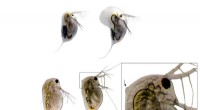
* Basic building block: Cells are the smallest units that can carry out all the processes necessary for life. They are like the "LEGO bricks" of living organisms, with each cell performing specific functions.
* Self-contained units: Cells are self-sufficient, containing all the necessary components to perform essential life processes like:
* Metabolism: Generating energy, building molecules, breaking down waste.
* Growth and development: Increasing in size and complexity, creating new cells.
* Reproduction: Creating new cells for growth, repair, or continuation of the species.
* Response to stimuli: Reacting to changes in the environment.
* Organization: Larger organisms are organized into complex structures where cells work together, forming tissues, organs, and systems. Each cell plays its role, contributing to the overall functioning of the organism.
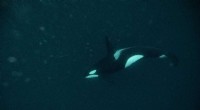
In short, every living thing, from the smallest bacterium to the largest whale, is made up of cells. Cells are the fundamental unit of life, and their ability to perform essential functions is what allows all living things to exist and thrive.
Here are some examples to illustrate the dependence:
* Humans: Our bodies are made of trillions of cells, each specialized for a particular function. Muscle cells contract, nerve cells transmit signals, blood cells transport oxygen, and so on.
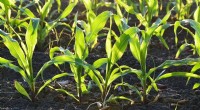
* Plants: Plants use cells to perform photosynthesis, generating energy from sunlight.
* Bacteria: These single-celled organisms are remarkably diverse and carry out essential functions like decomposing waste and fixing nitrogen in the soil.
Without cells, life as we know it wouldn't exist.