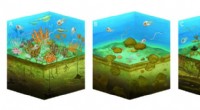
* Structure and Function: Communities define the structure and function of a biome. Each community consists of different populations of species interacting with each other. These interactions, like predation, competition, and symbiosis, shape the overall ecosystem dynamics, influencing factors like energy flow, nutrient cycling, and resource availability.
* Biodiversity and Resilience: Biomes with high biodiversity, meaning a greater variety of communities and species within them, are more resilient to disturbances like climate change or invasive species. Different communities contribute different strengths and weaknesses, making the whole biome more adaptable.
* Ecosystem Services: Communities contribute to essential ecosystem services, benefits that humans derive from healthy ecosystems. These include:
* Regulation of climate: Communities play a role in carbon sequestration, influencing the global climate.
* Water purification: Specific communities filter water, preventing pollution and ensuring clean water resources.
* Soil formation and fertility: Communities influence the soil's structure and nutrient content, vital for agriculture.
* Evolution and Adaptation: Interactions within and between communities drive evolution and adaptation of species. This constant adaptation allows species to thrive in specific environments and maintain a healthy biome.
Example:
Imagine a forest biome. Communities within this biome include the canopy community (trees and their associated insects), the understory community (shrubs and small mammals), and the forest floor community (decomposers and invertebrates). Each community interacts with the others, creating a complex web of life that supports the overall forest ecosystem.
In conclusion, communities are not just a collection of species, but a vital interacting network that forms the foundation of biomes. Their presence and healthy functioning ensure the well-being and resilience of these large-scale ecosystems, ultimately benefiting both biodiversity and human society.