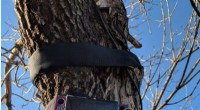
Bristlecone Pine:
* Survival of the species: Reproduction is the only way for bristlecone pines to create new individuals and ensure the continuation of their species.
* Adaptation and evolution: Reproduction allows for genetic diversity, which helps the species adapt to changing environmental conditions and resist diseases.
* Spread and expansion: Seeds dispersed by wind or animals can establish new populations in different areas, expanding the bristlecone pine's range.
Fruit Fly:
* Population growth: Fruit flies reproduce quickly, allowing them to maintain a large population size.
* Resource utilization: They lay eggs in fruit, ensuring that their offspring have a readily available food source.
* Dispersal: Fruit flies are attracted to ripe fruit and often travel between fruit sources, which can help spread the species.
Key Differences:
* Life cycle: Bristlecone pines have a very long lifespan and reproduce relatively slowly, while fruit flies have a short lifespan and reproduce quickly.
* Resource investment: Bristlecone pines invest heavily in their seeds, which are designed for long-term survival, while fruit flies invest relatively little in their offspring.
* Mode of reproduction: Bristlecone pines reproduce sexually through cones and seeds, while fruit flies also reproduce sexually but lay eggs.
In summary:
While both the bristlecone pine and the fruit fly rely on reproduction for survival, their specific reasons and strategies differ significantly due to their distinct life histories and ecological niches.