1. Size and Shape
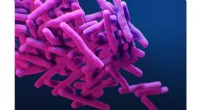
* Bacteria: Typically much smaller (1-10 micrometers) than animal or plant cells. They come in a variety of shapes:
* Cocci: Round
* Bacilli: Rod-shaped
* Spirilla: Spiral
* Animal: Larger (10-100 micrometers) and often more irregular in shape.
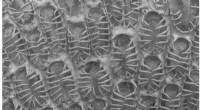
* Plant: Larger (10-100 micrometers) and usually rectangular or elongated.
2. Internal Structures
* Bacteria:
* No nucleus: Their DNA is located in a region called the nucleoid, but it's not enclosed by a membrane.
* No membrane-bound organelles: They lack mitochondria, Golgi apparatus, endoplasmic reticulum, and other complex organelles found in animal and plant cells.
* Ribosomes: Smaller than those in eukaryotes (animal and plant cells).
* Cell Wall: Made of peptidoglycan.
* Capsule: Some bacteria have a slimy capsule surrounding the cell wall.
* Flagella: Some bacteria use flagella for movement.
* Animal:
* Nucleus: Contains genetic material (DNA) within a membrane.
* Membrane-bound organelles: Mitochondria, Golgi apparatus, endoplasmic reticulum, lysosomes, etc.
* No cell wall: Animal cells have a cell membrane but lack a rigid cell wall.
* Centrioles: Small, cylindrical structures involved in cell division.
* Plant:
* Nucleus: Contains genetic material (DNA) within a membrane.
* Membrane-bound organelles: Mitochondria, Golgi apparatus, endoplasmic reticulum, lysosomes, etc.
* Cell Wall: Made of cellulose.
* Chloroplasts: Organelles containing chlorophyll for photosynthesis.
* Large central vacuole: A large sac that stores water and other substances, and helps maintain cell shape.
3. Other Features
* Movement: Animal cells often have cilia or flagella for movement, while plant cells are typically stationary. Bacteria can use flagella or other mechanisms for movement.
* Photosynthesis: Plant cells perform photosynthesis, so they will contain chloroplasts. Animal cells and bacteria do not.
Tools for Identification
* Microscope: A microscope is essential for observing cells and their features.
* Staining Techniques: Stains can be used to highlight different cell structures, making them easier to see under a microscope.
Important Note: It's possible to have specialized cells within each kingdom that may have unusual characteristics. For example, some animal cells have cilia for movement, and some bacteria lack flagella.