1. Genetic Mapping:
* Linkage Analysis: This classical technique analyzes the inheritance patterns of genetic markers (like SNPs or microsatellites) alongside a trait of interest (like a disease). If markers and the trait tend to be inherited together, they are likely close on the chromosome. This method has been instrumental in mapping genes for many inherited diseases.
* Recombination Frequency: Recombination events during meiosis exchange genetic material between chromosomes. The frequency of recombination between two markers is proportional to the distance between them. This helps to create genetic maps showing relative distances between genes.
2. Physical Mapping:
* Chromosomal Banding: Chromosomes are stained with dyes to reveal characteristic banding patterns. These patterns are unique and allow for the identification and localization of specific chromosomal regions.
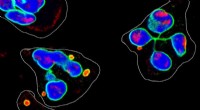
* Fluorescence In Situ Hybridization (FISH): Fluorescently labeled DNA probes are used to hybridize to specific regions of chromosomes. The fluorescence signals reveal the location of the targeted DNA sequences.
* Clone Libraries: DNA fragments representing the entire human genome are cloned and stored in libraries. These libraries can be screened using probes for specific genes or DNA regions, allowing for their physical mapping.
3. Next-Generation Sequencing (NGS):
* Whole-Genome Sequencing: NGS allows for sequencing the entire human genome, providing a complete blueprint for gene identification and localization.
* Exome Sequencing: This focuses on sequencing only the protein-coding regions (exons) of the genome, which are particularly relevant for identifying disease-causing genes.
* Genome-Wide Association Studies (GWAS): This approach analyzes the association between variations in DNA sequence (SNPs) across the entire genome with particular traits or diseases. GWAS can help pinpoint genes involved in complex traits and diseases.
4. Databases and Online Resources:
* NCBI Gene: This database provides comprehensive information on human genes, including their chromosomal location, sequence, function, and associated diseases.
* UCSC Genome Browser: This interactive browser allows users to visualize and analyze the human genome, including gene annotations, variations, and other genomic features.
5. Computational Approaches:
* Bioinformatics: Computational algorithms and tools are used to analyze vast amounts of genomic data, predict gene locations, and identify potential candidate genes for diseases.
Important Considerations:
* Genetic Variation: Humans have a high degree of genetic variation, making it crucial to study large populations to accurately pinpoint gene locations and identify common variants associated with traits or diseases.
* Gene Regulation: Gene location is not the sole factor determining gene function. Regulatory elements like promoters and enhancers play a significant role in controlling gene expression.
* Epigenetics: Environmental factors can influence gene expression without altering DNA sequence. Understanding these epigenetic modifications is crucial for comprehending gene function in health and disease.
By combining these diverse approaches, scientists are constantly refining our understanding of the human genome, leading to new discoveries about gene function and their role in health and disease.