1. Genetic Variation:
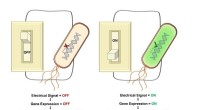
* Mutation: Random changes in DNA sequences. These changes can introduce new traits or alter existing ones.
* Recombination: The shuffling of genes during sexual reproduction, creating new combinations of alleles.
2. Natural Selection:
* Differential survival and reproduction: Individuals with traits that make them better adapted to their environment are more likely to survive and reproduce, passing on those advantageous traits to their offspring.
* Environmental pressures: Factors like climate change, resource availability, predation, and competition can influence which traits are advantageous.
* Selective pressures: These are the factors that determine which individuals are more likely to survive and reproduce, such as availability of food, predators, and climate.
3. Genetic Drift:
* Random changes in allele frequencies: In small populations, chance events can cause certain alleles to become more or less common, even if they have no particular advantage or disadvantage.
* Founder effect: When a new population is established by a small number of individuals, the genetic diversity of the new population is limited to that of the founders.
* Bottleneck effect: A drastic reduction in population size, often due to a catastrophic event, can lead to a loss of genetic diversity.
4. Gene Flow:
* Movement of individuals and genes: The migration of individuals between populations can introduce new alleles or change the frequency of existing alleles.
* Interbreeding: When individuals from different populations interbreed, it can lead to a mixing of genes and a reduction in genetic differences between populations.
5. Horizontal Gene Transfer:
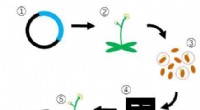
* Transfer of genetic material between organisms: This process is particularly common in bacteria and can lead to rapid evolutionary change.
* Acquisition of new genes: Horizontal gene transfer can introduce new genes that can provide organisms with new abilities or adaptations.
It's important to remember that these factors often interact and work together to drive evolutionary change. For example, mutations provide the raw material for variation, natural selection acts on that variation to favor advantageous traits, and genetic drift can influence the direction of evolution, especially in small populations.