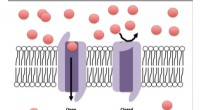
1. Regulation of passage of substances into and out of the cell: This is also known as selective permeability. The cell membrane acts as a barrier, controlling what enters and exits the cell. It allows some substances to pass through while blocking others, ensuring the cell maintains a stable internal environment. This is vital for maintaining homeostasis and carrying out essential cellular processes.
2. Cell signaling and communication: The cell membrane acts as a communication hub, receiving signals from other cells and the environment. Receptors embedded in the membrane bind to signaling molecules (like hormones or neurotransmitters), triggering specific cellular responses. This allows cells to coordinate their activities and respond to changes in their environment.