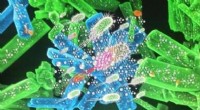
* Entry: Bacteria have various mechanisms to enter plant cells. They might:
* Use enzymes to break down the cell wall: Some bacteria produce enzymes like cellulases and pectinases that degrade the plant cell wall, allowing them to enter.
* Utilize wounds or natural openings: Bacteria can enter through wounds caused by insects, animals, or even pruning. They can also use stomata (tiny pores on leaves) or hydathodes (structures that release water) as entry points.
* Direct injection: Some bacteria can inject their own proteins into plant cells, manipulating the cell's defenses and making entry easier.
* Once Inside: After entering the cell, bacteria can:
* Consume nutrients: They can steal nutrients from the plant cell, depriving it of essential resources.
* Produce toxins: Some bacteria release toxins that damage the cell, interfering with its normal functions.
* Replicate and spread: Inside the cell, bacteria can multiply, causing further damage and eventually killing the cell.
* Consequences: Bacterial infections in plants can lead to a wide range of symptoms, including:
* Wilting: When roots are infected, the plant can't absorb water properly.
* Blight: Leaves and stems can turn brown and die.
* Galls and tumors: Abnormal growths can form on stems, roots, or leaves.
* Fruit rot: Fruits can become soft, mushy, and inedible.
Examples of Bacterial Diseases in Plants:
* Fire blight (caused by *Erwinia amylovora*)
* Bacterial wilt (caused by *Ralstonia solanacearum*)
* Citrus greening (caused by *Candidatus Liberibacter asiaticus*)
Overall: Bacteria are powerful pathogens that can significantly damage plant cells, impacting plant health and causing significant agricultural losses.