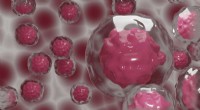
Parenchyma cells are the most common type of plant cell and are responsible for a wide variety of functions. Think of them as the workhorses of the plant world. They're found in all plant organs (roots, stems, leaves, and flowers) and play crucial roles in:
1. Photosynthesis: Parenchyma cells in leaves, called chlorenchyma, contain chloroplasts, which are the sites of photosynthesis. This is where plants convert sunlight into energy.
2. Storage: Parenchyma cells can store various substances, including:
* Food: Sugars, starches, and proteins are stored in parenchyma cells, providing energy reserves for the plant.
* Water: Parenchyma cells in roots and stems can store water, particularly in succulent plants.
* Other materials: Some parenchyma cells store pigments, resins, oils, and even latex.
3. Secretion: Parenchyma cells can secrete various substances, such as nectar in flowers, hormones, and enzymes.
4. Healing and Repair: Parenchyma cells are involved in wound healing and tissue repair, helping to regenerate damaged areas.
5. Gas Exchange: In some plants, parenchyma cells form air spaces that facilitate gas exchange, particularly in aquatic plants.
Characteristics of Parenchyma Cells:
* Thin, flexible cell walls: This allows for easy exchange of substances and enables the cells to change shape.
* Large central vacuole: This vacuole helps maintain cell turgor and stores water and other substances.
* Living cells: Unlike some other plant cells, parenchyma cells remain alive at maturity.
Overall, parenchyma cells are essential for the growth, development, and survival of plants. They perform a wide range of functions that are crucial for the plant to thrive.