1. Stores Genetic Information (DNA):
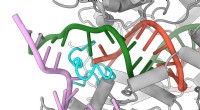
- The nucleus houses the cell's DNA, organized into chromosomes. This DNA contains the instructions for building and maintaining the entire organism.
2. Replication and Transcription:
- The nucleus is where DNA replication occurs, creating an exact copy of the DNA before cell division.
- It's also where transcription happens, the process of copying DNA into RNA. RNA carries these instructions out to the ribosomes for protein synthesis.
3. Protein Synthesis Control:
- While the nucleus doesn't directly build proteins, it controls the production of proteins by regulating gene expression. It determines which genes are transcribed into RNA and, consequently, which proteins are made.
4. Cell Division:
- During cell division (mitosis and meiosis), the nucleus plays a crucial role in ensuring that each new cell receives a complete copy of the genetic information.
5. Structural Support:
- The nucleus provides a central framework that helps maintain the cell's shape.
Structure of the Nucleus:
* Nuclear Envelope: A double membrane that surrounds the nucleus, separating it from the cytoplasm. It contains pores that allow molecules to pass in and out.
* Nucleolus: A dense region within the nucleus where ribosomes are assembled.
* Chromatin: The complex of DNA and proteins that make up chromosomes.
In summary, the nucleus is a vital organelle that directs all cellular activities by storing and controlling the use of genetic information. It's essential for cell growth, development, and survival.