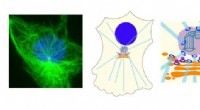
1. Membrane-bound nucleus: Eukaryotic cells have a true nucleus enclosed within a membrane, where their genetic material (DNA) is stored. This distinguishes them from prokaryotes, which lack a membrane-bound nucleus.
2. Organelles: Eukaryotic cells contain specialized internal structures called organelles, such as mitochondria, Golgi apparatus, endoplasmic reticulum, and lysosomes. These organelles perform specific functions within the cell, contributing to the overall complexity and efficiency of eukaryotic organisms.