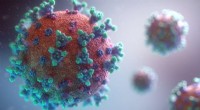
* Viral DNA Integration: In the lysogenic cycle, the viral DNA integrates into the host cell's genome, becoming a prophage. This integration does not immediately disrupt the host cell's functions.
* Dormant State: The prophage remains dormant, replicating along with the host cell's DNA without producing new viral particles. The host cell continues its normal functions, appearing unaffected.
* Potential for Activation: The lysogenic cycle can persist for extended periods, potentially for the entire lifespan of the host cell. However, certain environmental triggers (e.g., stress, UV radiation) can induce the prophage to enter the lytic cycle, leading to viral replication and ultimately, the destruction of the host cell.
Examples of Lysogenic Viruses:
* Herpes simplex virus (HSV): Causes cold sores and genital herpes, but remains dormant in nerve cells until triggered by stress or other factors.
* HIV (Human Immunodeficiency Virus): Initially exists in a lysogenic state, integrating into the host cell's genome. Over time, it can trigger the lytic cycle, causing immune deficiency.
* Lambda phage: A bacteriophage that infects bacteria, demonstrating the lysogenic cycle.
Key Takeaways:
* No immediate harm: Lysogenic viruses remain dormant and do not directly cause disease.
* Potential for activation: The lysogenic cycle can be triggered, leading to viral replication and host cell destruction.
* Long-term effects: The integration of viral DNA can have long-term consequences, potentially influencing host cell behavior and increasing the risk of disease.
It's important to note that the specific effects of a lysogenic virus on an organism can vary depending on the virus, the host cell, and environmental factors.