Here's why:
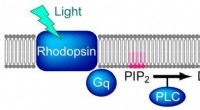
* Structure: Phospholipids form the phospholipid bilayer, which is the fundamental structural basis of the cell membrane. They arrange themselves into two layers with their hydrophilic (water-loving) heads facing the watery environment inside and outside the cell, and their hydrophobic (water-fearing) tails facing each other in the middle of the membrane. This arrangement creates a barrier that separates the cell's internal environment from the external environment.
* Selectively Permeable: The phospholipid bilayer is selectively permeable, meaning it allows some substances to pass through while blocking others. This is crucial for the cell to maintain its internal environment, take in nutrients, and expel waste products.
* Fluid Mosaic Model: The membrane isn't static but rather a dynamic fluid structure. Phospholipids can move laterally within the bilayer, allowing for flexibility and fluidity. This fluidity is important for many cellular functions, like cell growth, movement, and signaling.
While phospholipids are the primary building blocks, other important components of the cell membrane include:
* Proteins: Embedded within the phospholipid bilayer, proteins serve various functions, including:
* Transport: Facilitating the movement of molecules across the membrane.
* Receptors: Binding to signaling molecules and relaying information into the cell.
* Enzymes: Catalyzing chemical reactions at the membrane surface.
* Cholesterol: Found within the membrane, cholesterol contributes to membrane fluidity and stability.
* Glycolipids and Glycoproteins: Carbohydrates attached to lipids and proteins, respectively. They play roles in cell recognition and adhesion.
Therefore, while other components are essential, phospholipids are the most important ingredient because they provide the structural foundation and selectively permeable barrier that defines the cell membrane.