1. Cells:
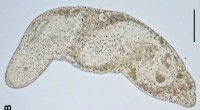
* Definition: The basic, fundamental unit of life.
* Characteristics:
* Enclosed by a membrane.
* Contains genetic material (DNA).
* Can carry out basic life processes (metabolism, growth, reproduction).
* Examples: Muscle cells, nerve cells, blood cells.
2. Tissues:
* Definition: A group of similar cells working together to perform a specific function.
* Characteristics:
* Composed of one or more cell types.
* Often have a specialized extracellular matrix (material outside the cells).
* Examples: Muscle tissue, nervous tissue, connective tissue.
3. Organs:
* Definition: A structure composed of different tissues that work together for a common function.
* Characteristics:
* Often have a distinct shape and size.
* Can be quite complex in structure.
* Examples: Heart, lungs, stomach, brain.
4. Organ Systems:
* Definition: A group of organs that work together to perform a major bodily function.
* Characteristics:
* Highly coordinated and integrated.
* Often involve multiple organ systems working in conjunction.
* Examples: Digestive system, circulatory system, nervous system.
Here's a simple analogy:
* Imagine building a house.
* Cells are like the individual bricks.
* Tissues are like the walls (made of bricks).
* Organs are like the rooms (made of walls).
* Organ systems are like the entire house (made of rooms).
Key Differences:
* Complexity: The levels increase in complexity, from individual cells to coordinated organ systems.
* Function: The functions become increasingly specialized as you move up the levels.
* Structure: The structures become more intricate and organized as you move from cells to organ systems.
In essence:
These four levels represent a hierarchical organization in living organisms, where each level builds upon the previous one, contributing to the overall complexity and function of the organism.