Here's a breakdown:
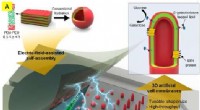
* Nucleus: The control center of the cell, containing DNA.
* Nuclear membrane: The membrane surrounding the nucleus, separating it from the cytoplasm.
* Cytoplasm: The gel-like substance that fills the cell and surrounds the nucleus. It contains organelles like ribosomes, mitochondria, and the endoplasmic reticulum, which carry out various essential functions.
Chemical reactions within the cytoplasm include:
* Protein synthesis: Ribosomes in the cytoplasm use the genetic code from DNA to build proteins.
* Energy production: Mitochondria, the powerhouses of the cell, generate energy (ATP) through cellular respiration.
* Metabolic pathways: Various biochemical reactions occur within the cytoplasm, breaking down nutrients and building essential molecules.
Let me know if you have any other questions about the cell!