1. Direct Contact: This involves physical contact with an infected person or animal. This includes:
* Touching: Touching an infected person or surface, like a doorknob.
* Kissing: Exchanging saliva with an infected person.
* Sexual contact: Transmission through bodily fluids.
* Animal bites: Being bitten by an infected animal.
2. Indirect Contact: This involves contact with a contaminated object or surface. This includes:
* Touching: Touching a contaminated surface like a countertop or doorknob.
* Inhaling: Breathing in contaminated air, such as droplets from a cough or sneeze.
* Ingesting: Eating or drinking contaminated food or water.
3. Airborne Transmission: This involves inhaling contaminated air droplets or particles. This can happen through:
* Coughing or sneezing: When an infected person coughs or sneezes, they release tiny droplets containing pathogens into the air.
* Talking: Speaking can also release small droplets that can spread pathogens.
4. Vector Transmission: This involves the transmission of pathogens by an intermediary organism, known as a vector. This includes:
* Mosquitoes: Transmit diseases like malaria, dengue fever, and Zika virus.
* Ticks: Transmit Lyme disease, Rocky Mountain spotted fever, and other diseases.
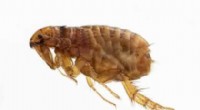
* Fleas: Transmit diseases like plague and typhus.
* Flies: Can spread diseases like typhoid fever and dysentery.
Important Note: The specific ways a pathogen infects humans can vary greatly depending on the type of pathogen.