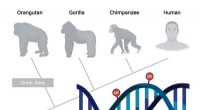
Here's a breakdown:
* DNA structure: DNA is made up of two strands that twist around each other to form a double helix. Each strand is composed of a backbone of sugar (deoxyribose) and phosphate molecules. Attached to each sugar molecule is one of four nitrogenous bases: adenine (A), thymine (T), guanine (G), and cytosine (C).
* Base pairing: The bases on one strand of DNA form hydrogen bonds with the bases on the other strand. These bonds are weak but numerous, which helps to hold the two strands together.
* Specific pairing: Adenine always pairs with thymine (A-T), and guanine always pairs with cytosine (G-C). This specific pairing is called complementary base pairing.
* Hydrogen bond formation: A-T pairs form two hydrogen bonds, while G-C pairs form three hydrogen bonds. These bonds give the DNA molecule its double helix shape and ensure the correct sequence of bases is maintained during replication.
Let me know if you'd like to know more about DNA structure or replication!