* Organization: Made up of one or more cells.
* Metabolism: Chemical reactions that sustain life, including taking in nutrients and releasing waste.
* Growth: Increasing in size and complexity.
* Reproduction: Producing offspring.
* Responsiveness: Reacting to stimuli in their environment.
* Adaptation: Evolving to better survive in their environment.
Examples of organisms include:
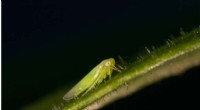
* Animals: Dogs, cats, birds, fish, insects
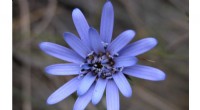
* Plants: Trees, flowers, ferns, grasses
* Fungi: Mushrooms, mold, yeast
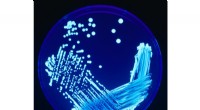
* Bacteria: Microscopic single-celled organisms
* Viruses: Non-living entities that require a host cell to reproduce
Levels of Organization:
Organisms can be organized into different levels of complexity:
* Cell: The basic unit of life.
* Tissue: A group of similar cells working together.
* Organ: A structure made of different tissues working together.
* Organ System: A group of organs working together.
* Organism: A complete living being.
* Population: A group of organisms of the same species living in the same area.
* Community: All the different populations living in the same area.
* Ecosystem: All the living and non-living components in an area.
Key Concepts:
* Biodiversity: The variety of life on Earth.
* Evolution: The process of change in organisms over time.
* Ecology: The study of how organisms interact with their environment.
Understanding organisms is fundamental to all biological sciences, from studying the smallest cells to exploring complex ecosystems.