Climate:
* Temperature: The average temperature and temperature range affect the types of plants and animals that can survive.
* Precipitation: The amount and distribution of rainfall influences plant growth and the availability of water for animals.
* Sunlight: The amount of sunlight affects the rate of photosynthesis and the types of plants that can grow.
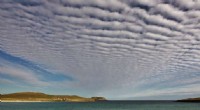
* Wind: Wind can affect the temperature, precipitation, and the distribution of organisms.
Geography and Geology:
* Elevation: Higher elevations have lower temperatures and different plant life than lower elevations.
* Latitude: Latitude affects the amount of sunlight and temperature, impacting the types of biomes found.
* Soil type: The composition of soil affects the types of plants that can grow and the nutrients available to animals.
* Topography: The shape of the land influences water flow, soil formation, and microclimates.
Water:
* Water availability: The amount of water available to organisms can influence their survival.
* Water quality: The chemical composition of water (salinity, pH, pollutants) can impact life.
Other:
* Fire: Fire can be a natural part of some biomes and can influence plant and animal communities.
* Natural disasters: Events like floods, droughts, and earthquakes can have a significant impact on ecosystems.
* Human activity: Pollution, deforestation, and climate change are all examples of human-caused abiotic factors that can alter biomes.
These abiotic factors interact with each other and influence the living organisms (biotic factors) in a biome. The specific combination of abiotic factors determines the type of biome that develops in a particular region.