Here's a breakdown of the parts:
* Amino Acids: These are the building blocks of proteins. There are 20 different amino acids commonly found in proteins, each with a unique side chain that gives it specific properties.
* Polypeptide Chain: This is a single, linear chain of amino acids linked together by peptide bonds.
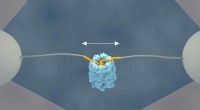
* Protein: A protein is one or more polypeptide chains folded into a specific three-dimensional structure. This structure is essential for the protein's function.
Other important components of proteins:
* Side Chains: Each amino acid has a unique side chain that contributes to the protein's overall structure and function.
* Peptide Bonds: These are the chemical bonds that link amino acids together in a polypeptide chain.
* Primary Structure: The sequence of amino acids in a polypeptide chain.
* Secondary Structure: Local folding patterns within the polypeptide chain, such as alpha-helices and beta-sheets.
* Tertiary Structure: The overall three-dimensional shape of a single polypeptide chain.
* Quaternary Structure: The arrangement of multiple polypeptide chains in a protein complex.
To summarize:
Proteins are complex molecules made up of amino acids linked together in long chains. The specific sequence and arrangement of these amino acids determine the protein's unique structure and function.