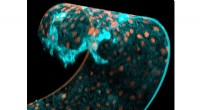
Microproteins are a fascinating class of proteins that are small in size, typically consisting of 50 amino acids or less. Despite their diminutive stature, they play significant roles in various cellular functions.
Here's a breakdown of what we know about microproteins:
Key Features:
* Small Size: They are significantly smaller than conventional proteins, which typically have hundreds of amino acids.
* Diverse Functions: They are involved in a wide range of cellular processes, including:
* Regulation of gene expression: They can bind to DNA or RNA to control the production of other proteins.
* Signal transduction: They can act as messengers, carrying signals between cells.
* Metabolic processes: They can participate in enzymatic reactions or regulate enzyme activity.
* Cellular structure: Some microproteins contribute to the formation of cell membranes or other cellular structures.
* Encoded by Small Open Reading Frames (sORFs): These are short stretches of DNA that were previously considered non-coding but are now known to encode microproteins.
* Newly Discovered: The study of microproteins is relatively new, and there are still many unknowns about their functions and mechanisms.
Examples:
* Microproteins involved in stress response: Some microproteins help cells cope with environmental stresses like heat shock or oxidative stress.
* Microproteins in development: Certain microproteins are crucial for proper embryonic development and tissue differentiation.
* Microproteins in disease: Some microproteins are associated with specific diseases, such as cancer or neurodegenerative disorders.
Why are they important?
* Potential therapeutic targets: Their involvement in various cellular processes makes them potential targets for drug development, especially for diseases where conventional targets have proven difficult.
* Unveiling hidden complexity: Microproteins highlight the complexity of the genome and challenge the traditional view of gene expression and protein function.
The Future of Microprotein Research:
Continued research into microproteins promises to reveal even more fascinating insights into their roles in health and disease. This knowledge will be crucial for developing new diagnostic tools and therapeutic interventions.
In summary, microproteins, despite their small size, are significant players in cellular function and hold immense potential for understanding and treating diseases.