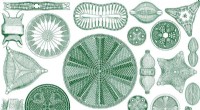
1. Cellular organization: All living organisms are made up of one or more cells, the basic unit of life. Organisms can be classified as either unicellular (single-celled) or multicellular (many-celled).
2. Mode of nutrition: This refers to how an organism obtains its food and energy. Organisms can be classified as:
* Autotrophs: They produce their own food through photosynthesis (like plants) or chemosynthesis (certain bacteria).
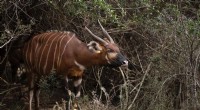
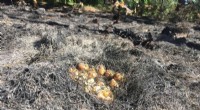
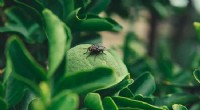
* Heterotrophs: They obtain food by consuming other organisms (like animals and fungi).
3. Mode of reproduction: This refers to how an organism produces offspring. Organisms can be classified as:
* Sexual reproduction: Involves the fusion of male and female gametes (sperm and egg) to form a zygote.
* Asexual reproduction: Involves only one parent and does not involve the fusion of gametes. This can occur through processes like budding, fragmentation, or binary fission.
These three characteristics are fundamental to understanding the diversity of life on Earth.