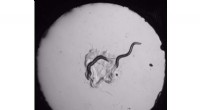
1. White Blood Cells:
* Neutrophils: These are the first responders, engulfing and destroying bacteria through a process called phagocytosis.
* Macrophages: Larger phagocytes that also engulf and destroy bacteria, but they can also present bacterial fragments to other immune cells to trigger a stronger response.
* Natural Killer (NK) Cells: These cells target and kill infected cells, preventing the bacteria from spreading.
2. The Complement System: This is a group of proteins that circulate in the blood. When activated, they:
* Directly kill bacteria by punching holes in their cell membranes.
* Attract white blood cells to the infection site.
* Opsonize bacteria (coat them with proteins) making them easier for phagocytes to engulf.
3. Antibodies: These proteins are produced by B cells in response to specific bacteria. They bind to bacteria and:
* Neutralize the bacteria by blocking their ability to infect cells.
* Enhance the phagocytosis of bacteria by white blood cells.
4. Inflammation: This is a localized response to infection. It brings more immune cells to the site of infection, delivering blood-borne nutrients and oxygen, and helping to clear the infection.
5. Fever: This is a systemic response to infection. It can inhibit bacterial growth and enhance the activity of the immune system.
6. Antimicrobial Peptides: These small proteins are produced by a variety of cells in the body. They have direct antimicrobial activity and can help to control bacterial infections.
7. The Gut Microbiome: The bacteria that naturally reside in our gut can also help fight off harmful bacteria by competing for resources and producing antimicrobial substances.
It's important to note:
* The immune system can be weakened by various factors, including malnutrition, stress, and certain medical conditions.
* Antibiotics are medications that target and kill bacteria. They are often used to treat severe bacterial infections when the body's natural defenses are overwhelmed.
Ultimately, a healthy immune system is our best defense against infectious bacteria. By maintaining a balanced diet, getting enough sleep, and managing stress, we can support our body's ability to fight off infections.