1. Direct Contact:
* Person-to-person: This involves physical contact like touching, kissing, or sexual intercourse. Examples include the common cold, flu, and some sexually transmitted infections (STIs).
* Animal-to-person: This can happen through bites, scratches, or contact with animal feces. Examples include rabies, Lyme disease, and ringworm.
2. Indirect Contact:
* Airborne: Diseases spread through tiny droplets released when an infected person coughs, sneezes, or talks. Examples include measles, chickenpox, and tuberculosis.
* Foodborne: Contaminated food or water can carry bacteria, viruses, or parasites. Examples include salmonella poisoning, E. coli infections, and hepatitis A.
* Waterborne: Similar to foodborne, but the contamination is in water sources. Examples include cholera, typhoid fever, and giardia.
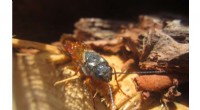
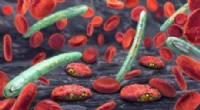
* Vector-borne: Insects like mosquitoes, ticks, fleas, and flies can transmit diseases by biting an infected person and then biting another. Examples include malaria, dengue fever, Zika virus, and Lyme disease.
3. Other:
* Fomite Transmission: Touching contaminated objects like doorknobs, phones, or shared utensils can spread disease.
* Bloodborne: Sharing needles, getting a blood transfusion, or exposure to contaminated blood can spread diseases like HIV and hepatitis B.
* Soilborne: Infections can occur from contact with contaminated soil, especially through wounds or ingestion. Examples include tetanus and hookworm.
Factors influencing disease spread:
* The infectious agent: How easily it is transmitted, how long it survives outside the body, and its ability to cause disease.
* The host: Factors like age, immune status, and health condition can influence susceptibility.
* The environment: Factors like sanitation, crowding, and climate can influence transmission.
Preventing disease spread:
* Good hygiene: Washing hands frequently, covering coughs and sneezes, and avoiding touching your face.
* Vaccination: Protects against many diseases.
* Safe sex: Use of condoms to prevent STIs.
* Food safety: Thorough hand washing, cooking food properly, and storing food safely.
* Vector control: Using mosquito nets, insect repellent, and eliminating breeding grounds.
* Isolation and quarantine: Separating infected individuals to prevent further transmission.
Understanding how diseases spread is crucial for preventing and controlling them. By practicing good hygiene, getting vaccinated, and taking other preventative measures, we can help protect ourselves and others.