1. Basic Structures:
* Plasma membrane: Encloses the cell and controls what enters and exits.
* Cytoplasm: Gel-like substance that fills the cell and houses organelles.
* Ribosomes: Sites of protein synthesis.
* DNA: Genetic material organized into chromosomes within a nucleus.
* Nucleus: Contains DNA and controls cellular activity.
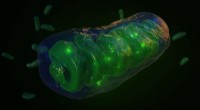
* Mitochondria: Powerhouse of the cell, responsible for energy production (ATP).
* Endoplasmic reticulum (ER): Network of membranes involved in protein and lipid synthesis.
* Golgi apparatus: Processes and packages proteins and lipids.
* Lysosomes: Contain enzymes for breaking down waste products and cellular debris.
2. Basic Functions:
* Metabolism: Both animal and plant cells carry out essential metabolic processes like respiration, photosynthesis (in plants), and protein synthesis.
* Growth and development: Both cells grow and divide to create new cells.
* Response to stimuli: Both cells respond to changes in their environment.
* Homeostasis: Both cells maintain a stable internal environment.
In summary, both animal and plant cells share essential structures and functions that are characteristic of eukaryotic cells. However, they also have key differences that reflect their unique roles in multicellular organisms.