1. Protein Synthesis: Ribosomes are responsible for translating the genetic code from messenger RNA (mRNA) into proteins.
* mRNA: This molecule carries the instructions for building a specific protein from the DNA in the nucleus to the ribosome.
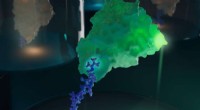
* Ribosome: The ribosome acts as a workbench, reading the mRNA code and assembling amino acids into a polypeptide chain.
* Polypeptide Chain: This chain folds into a three-dimensional protein, which then performs its specific function within the cell.
2. Types of Ribosomes:
* Free Ribosomes: These ribosomes float freely in the cytoplasm and produce proteins that will be used within the cell itself.
* Bound Ribosomes: These ribosomes are attached to the endoplasmic reticulum (ER), a network of membranes in the cytoplasm. They produce proteins destined for secretion outside the cell or for insertion into cellular membranes.
3. Importance in Animal Cells:
Proteins are essential for virtually every cellular function, including:
* Structural components: Proteins provide framework and support for cells, tissues, and organs.
* Enzymes: Proteins act as catalysts, speeding up biochemical reactions.
* Hormones: Proteins regulate cell growth, metabolism, and other bodily functions.
* Antibodies: Proteins defend against infection by targeting and destroying pathogens.
* Transport: Proteins move substances across cell membranes.
* Movement: Proteins enable muscle contraction and other cellular movements.
In summary, ribosomes are essential for life in animal cells. They are the molecular machines that translate genetic instructions into proteins, which carry out the diverse and critical functions that keep cells alive and functioning.