Here's a breakdown of key aspects:
1. Change Over Time: Evolution is not about a single organism changing, but about the changes that occur in a population over many generations.
2. Heritable Traits: These are characteristics passed down from parents to offspring through genes.
3. Mechanisms of Evolution: The primary mechanisms driving evolution are:
* Natural Selection: Organisms with traits better suited to their environment are more likely to survive and reproduce, passing those advantageous traits on.
* Genetic Drift: Random fluctuations in gene frequencies, particularly prevalent in small populations.
* Mutation: Changes in DNA sequence that introduce new traits.
* Gene Flow: Transfer of genetic material between populations.
4. Evidence for Evolution: There's a wealth of evidence supporting the theory of evolution, including:
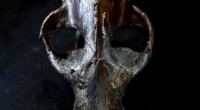
* Fossil Record: Fossils show a gradual change in life forms over millions of years.
* Comparative Anatomy: Similarities in skeletal structures, such as the bones in a bat wing and a human arm, suggest common ancestry.
* Comparative Embryology: Early developmental stages of different species show similarities.
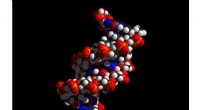
* Molecular Biology: DNA and protein comparisons reveal evolutionary relationships.
* Biogeography: Distribution of species across the globe supports evolutionary processes.
5. Not a Ladder: Evolution is not a linear progression towards perfection. It's a branching process where different lineages evolve along different paths, leading to the vast diversity of life we see today.
6. Ongoing Process: Evolution is a continuous process that is still happening today. New mutations arise, environments change, and populations adapt to new challenges.
In summary, evolution is a central theory in biology that explains the diversity and relatedness of life on Earth. It's a powerful framework for understanding the history and future of life, and its impact extends far beyond biology, shaping our understanding of medicine, agriculture, and even human behavior.