Essential for Life:
* Cellular Processes: Water is the solvent for all biological reactions, allowing for the transport of nutrients and waste products.
* Structure: Water provides structural support for cells and tissues.
* Temperature Regulation: Water's high heat capacity helps regulate body temperature, preventing drastic changes.
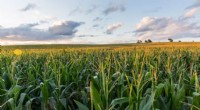
* Photosynthesis: Water is a key ingredient in photosynthesis, the process by which plants convert sunlight into energy.
Organisms with Specific Water Needs:
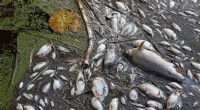
* Aquatic Organisms: Fish, aquatic plants, and other organisms living in water are completely dependent on it for survival.
* Terrestrial Organisms: Land animals also require water for drinking, regulating body temperature, and various physiological processes.
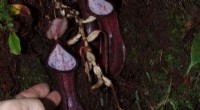
* Plants: Plants need water for photosynthesis, nutrient uptake, and maintaining their structure.
Examples:
* Humans: We require water for drinking, digestion, circulation, and temperature regulation.
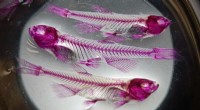
* Fish: Live entirely in water, relying on it for breathing, reproduction, and survival.
* Trees: Absorb water through their roots to support growth and photosynthesis.
* Bacteria: Many bacteria thrive in aquatic environments or require water for survival.
* Insects: Some insects, like mosquitoes, require water for breeding.
Exceptions:
* Extremophiles: Some organisms, like tardigrades (water bears), can survive in extremely dry environments by entering a dormant state.
* Seeds: Some seeds can remain dormant for extended periods without water.
Conclusion:
While there are a few exceptions, water is fundamentally essential for life on Earth. The vast majority of organisms, from microscopic bacteria to towering trees, depend on water for survival and well-being.