1. Response to Light:
* Phototropism: While not as pronounced as in plants, some fungi exhibit a directional growth response to light. For example, certain mushrooms grow towards light sources to maximize spore dispersal.
* Photomorphogenesis: Light affects fungal development and morphology. Some fungi may produce pigments or alter their growth patterns in response to light intensity and wavelength.
2. Response to Nutrients:
* Chemotaxis: Fungi, particularly in their motile spore stages, can move towards or away from chemical gradients. They sense nutrients like sugars, amino acids, and vitamins, and direct their growth towards them.
* Nutrient Sensing and Uptake: Fungi possess specialized receptors that detect the presence of specific nutrients and activate the uptake mechanisms for those nutrients.
3. Response to Gravity:
* Geotropism: Some fungi exhibit a growth response to gravity. Their hyphae often grow downwards, seeking out substrates and nutrients.
4. Response to Touch:
* Thigmotropism: Fungi can respond to touch, often altering their growth direction or branching patterns. This can help them navigate obstacles or find suitable attachment points.
5. Response to Temperature:
* Thermotropism: Fungi have an optimal temperature range for growth. They may exhibit temperature-dependent growth rates or produce different enzymes depending on the temperature.
* Heat Shock Response: Some fungi can tolerate extreme temperatures and activate heat shock proteins to protect themselves from heat stress.
6. Response to Water:
* Hydrotropism: Fungi exhibit a strong response to moisture. Their hyphae grow towards water sources to ensure hydration.
* Osmotic Stress Response: Fungi possess mechanisms to maintain osmotic balance and survive in environments with varying water potentials.
7. Response to Toxins and Chemicals:
* Chemical Sensing: Fungi can detect toxins and harmful chemicals in their environment. They may alter their growth patterns or produce detoxification enzymes to cope with these threats.
* Antibiotic Production: Some fungi produce antibiotics to inhibit the growth of competing microorganisms.
Mechanism of Response:
Fungi respond to stimuli through complex signaling pathways involving:
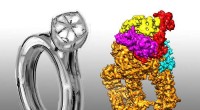
* Receptors: These proteins on the fungal cell surface detect specific stimuli, like light, nutrients, or chemicals.
* Signal Transduction Cascades: Receptor activation triggers a series of intracellular events, involving enzymes, second messengers, and transcription factors.
* Gene Expression Changes: The signaling cascade ultimately alters gene expression, leading to changes in protein production, metabolism, and ultimately, the fungal response.
Conclusion:
Fungi, despite lacking a nervous system, are highly sensitive to their environment and exhibit remarkable responses to various stimuli. Their ability to sense and respond to these signals is crucial for their survival, growth, and propagation. Understanding these responses helps us appreciate the complexity and adaptability of fungal life.