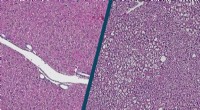
1. Contractility: The most defining feature of muscle cells is their ability to contract, which is achieved through the interaction of specialized proteins called actin and myosin. These proteins form filaments that slide past each other, shortening the muscle cell.
2. Excitability: Muscle cells are excitable, meaning they can respond to stimuli, such as electrical impulses from nerves. This response triggers the release of calcium ions, which initiate the contraction process.
3. Extensibility: Muscle cells can be stretched or extended beyond their resting length. This allows for a wider range of motion and prevents injury.
4. Elasticity: After being stretched, muscle cells can return to their original length. This property helps maintain muscle tone and provides a spring-like effect during movement.
5. Specialized Organelles:
* Myofibrils: These are long, cylindrical structures that run the length of the muscle cell and are the primary sites of contraction. They are composed of repeating units called sarcomeres, which contain the actin and myosin filaments.
* Sarcoplasmic reticulum (SR): A network of interconnected tubules that stores and releases calcium ions, playing a crucial role in muscle contraction.
* Mitochondria: Muscle cells have a high density of mitochondria, which provide the energy (ATP) needed for contraction.
6. Types of Muscle Cells:
* Skeletal muscle: Attached to bones and responsible for voluntary movement.
* Cardiac muscle: Found only in the heart, responsible for involuntary pumping action.
* Smooth muscle: Found in the walls of internal organs, responsible for involuntary movements like digestion and blood vessel constriction.
7. Regeneration: While skeletal muscle cells have limited regenerative capacity, cardiac muscle cells have even less, and smooth muscle cells have the highest regenerative potential.
8. Innervation: Muscle cells are innervated by motor neurons, which transmit signals from the nervous system to initiate contraction.
9. Muscle Fiber Structure: Individual muscle cells are often called muscle fibers. They can be multinucleated, containing many nuclei to support their large size and metabolic demands.
Understanding these special features of muscle cells is crucial for comprehending their role in movement, physiology, and diseases affecting the muscular system.