Here's a breakdown:
* Speciation is the process by which one species splits into two or more distinct species. This happens when populations of a species become isolated from each other, either geographically (e.g., by a mountain range or a river) or reproductively (e.g., through differences in mating behavior or breeding times).
* Reproductive isolation is key. Once populations are isolated, they can evolve independently of each other, accumulating different genetic mutations and adaptations.
* Over time, these genetic differences can become so significant that the populations can no longer interbreed, even if they come back into contact. At this point, they are considered separate species.
Examples of speciation events:
* Darwin's finches on the Galapagos Islands represent a classic example of adaptive radiation, where a single ancestral species diversified into many different species, each with unique beak shapes adapted to different food sources.
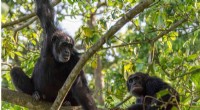
* The evolution of humans is another example of speciation. Humans diverged from our common ancestor with chimpanzees millions of years ago.
Speciation is a fundamental process in evolution, driving the incredible diversity of life on Earth.