Similarities:
* Both contain phosphate groups: Both ATP and DNA have phosphate groups (PO4) as part of their structure.
* Both are involved in energy transfer or storage: ATP is the primary energy currency of cells, while DNA stores genetic information essential for life.
* Both are built from smaller subunits: Both molecules are built from smaller, repeating units:
* ATP: Adenine, ribose sugar, and three phosphate groups
* DNA: Deoxyribose sugar, phosphate group, and one of four nitrogenous bases (adenine, guanine, cytosine, or thymine)
Key Differences:
* Sugar backbone: ATP contains ribose sugar, while DNA contains deoxyribose sugar.
* Nitrogenous bases: ATP contains only adenine as its nitrogenous base, while DNA has four: adenine, guanine, cytosine, and thymine.
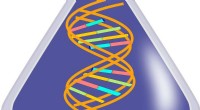
* Structure: ATP is a single molecule with three phosphate groups, while DNA is a long, double-stranded helix formed by two chains of nucleotides linked together.
* Function: ATP is involved in immediate energy transfer, while DNA stores genetic information.
To summarize, both ATP and DNA contain phosphate groups and are built from smaller units, but they differ in their sugar backbone, nitrogenous bases, structure, and function.