1. Circulatory System:
* Transportation: The circulatory system transports waste products from all over the body to the kidneys for filtration. This includes metabolic byproducts (urea, creatinine), excess salts, and water.
* Delivery of filtered blood: The kidneys receive filtered blood from the circulatory system for removal of waste products.
* Transport of hormones: Hormones like aldosterone and antidiuretic hormone (ADH) are transported by the circulatory system to regulate kidney function and fluid balance.
2. Digestive System:
* Waste production: The digestive system produces waste products like bile pigments and undigested food.
* Water absorption: The digestive system absorbs water, which is then regulated by the kidneys.
3. Respiratory System:
* Carbon dioxide removal: The respiratory system expels carbon dioxide, a metabolic waste product.
* Oxygen transport: The respiratory system provides oxygen to the kidneys, which is essential for their function.
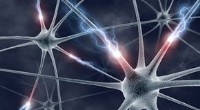
4. Nervous System:
* Regulation: The nervous system controls and regulates kidney function through signals to the kidneys, influencing blood pressure, fluid balance, and electrolyte levels.
* Hormone release: The nervous system releases hormones like ADH, which directly affects urine production.
5. Endocrine System:
* Hormonal regulation: The endocrine system releases hormones like aldosterone and ADH, which regulate kidney function and fluid balance.
* Metabolic waste regulation: Hormones like insulin and glucagon impact the metabolism of waste products.
6. Integumentary System (Skin):
* Sweat production: The skin helps eliminate excess water and salts through sweat.
* Temperature regulation: The skin's role in thermoregulation affects water balance, which is regulated by the kidneys.
7. Muscular System:
* Muscle metabolism: Muscle activity produces waste products like lactic acid, which are removed by the kidneys.
These systems all work together to maintain the body's internal environment, ensuring that waste products are removed efficiently and that fluid and electrolyte balance is maintained.