Both mitosis and meiosis are forms of cell division, but their purposes differ significantly.
Mitosis:
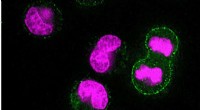
* Purpose: Growth and repair. Mitosis produces two identical daughter cells from a single parent cell. This allows for:
* Growth: Organisms grow by increasing the number of cells.
* Repair: Damaged or worn-out tissues can be replaced by new cells.
* Asexual reproduction: Some organisms reproduce asexually through mitosis.
Key features of mitosis:
* Daughter cells are genetically identical to the parent cell.
* The chromosome number remains the same in the daughter cells (diploid).
* Used in most multicellular organisms for growth, development, and repair.
Meiosis:
* Purpose: Sexual reproduction. Meiosis produces four genetically unique daughter cells from a single parent cell. These cells are haploid (have half the number of chromosomes). This allows for:
* Genetic diversity: Crossing over and random assortment of chromosomes during meiosis create unique combinations of genes in the offspring.
* Formation of gametes: Haploid gametes (sperm and egg) are produced, which can fuse to create a diploid zygote.
Key features of meiosis:
* Daughter cells are genetically different from the parent cell.
* The chromosome number is halved in the daughter cells (haploid).
* Used in sexually reproducing organisms to produce gametes.
In summary:
* Mitosis is for growth, repair, and asexual reproduction, producing identical daughter cells with the same chromosome number as the parent cell.
* Meiosis is for sexual reproduction, producing genetically unique daughter cells with half the chromosome number of the parent cell, allowing for genetic diversity.