Based on what they eat, organisms are categorized as:
* Producers: These organisms make their own food through photosynthesis, using sunlight, water, and carbon dioxide. Examples include plants, algae, and some bacteria.
* Consumers: These organisms get their energy by eating other organisms. They are further divided into:
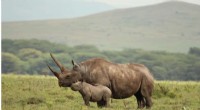
* Herbivores: Eat only plants (examples: cows, rabbits, deer)
* Carnivores: Eat only animals (examples: lions, sharks, owls)
* Omnivores: Eat both plants and animals (examples: humans, bears, pigs)
* Decomposers: These organisms break down dead organisms and waste products, returning nutrients to the ecosystem. Examples include fungi and bacteria.
Here are some examples of what different organisms eat:
* Plants: Sunlight, water, and carbon dioxide.
* Animals: Plants, other animals, or a combination of both.
* Fungi: Dead organisms, waste products, and sometimes living organisms.
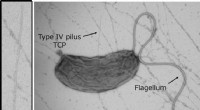
* Bacteria: A wide variety of things, including dead organisms, waste products, and even other bacteria.
Factors that influence what an organism eats include:
* Habitat: Organisms living in different environments have access to different food sources.
* Body structure: The physical features of an organism determine what it can eat. For example, a bird with a long beak can reach nectar in flowers, while a lion with sharp teeth can tear through meat.
* Evolutionary history: Over time, organisms have evolved to specialize in eating certain types of food.
It's important to remember that all organisms are connected through the food web, and what one organism eats can have a ripple effect throughout the ecosystem.