1. Red Blood Cells (Erythrocytes): These are the most numerous type of blood cell, responsible for transporting oxygen from the lungs to the rest of the body and carrying carbon dioxide back to the lungs. They are biconcave discs, lacking a nucleus, and contain hemoglobin, the protein that binds to oxygen.
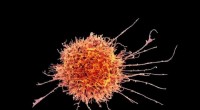
2. White Blood Cells (Leukocytes): These cells are part of the immune system, defending the body against infection and disease. They are larger than red blood cells and have a nucleus. There are several types of white blood cells, each with specific roles in immune responses.
3. Platelets (Thrombocytes): These are small, irregular-shaped cell fragments that lack a nucleus. They are crucial for blood clotting, helping to stop bleeding by forming a plug at the site of injury.