1. Understanding Osmosis:
* Osmosis is the passive movement of water across a semi-permeable membrane from an area of high water concentration (low solute concentration) to an area of low water concentration (high solute concentration). Think of it like water trying to dilute the more concentrated side.
* Cells have cell membranes that act as semi-permeable barriers, allowing some substances to pass through while restricting others.
2. How Cells Adapt:
* Maintaining Homeostasis: Cells strive to maintain a stable internal environment, including the correct amount of water. They have evolved mechanisms to deal with different osmotic situations:
* Isotonic Solution: The concentration of solutes inside and outside the cell is equal. Water moves in and out at the same rate, so the cell maintains its normal shape.
* Hypotonic Solution: The concentration of solutes outside the cell is lower than inside. Water rushes into the cell, causing it to swell.
* Hypertonic Solution: The concentration of solutes outside the cell is higher than inside. Water flows out of the cell, causing it to shrink or shrivel.
3. Specific Mechanisms:
* Turgor Pressure: Plant cells have a rigid cell wall that helps them withstand the pressure of water entering the cell in hypotonic solutions. This is what keeps plants upright.
* Contractile Vacuoles: Some single-celled organisms, like amoebas, have special organelles called contractile vacuoles. These vacuoles collect excess water and pump it out of the cell, helping to prevent bursting.
* Solute Regulation: Cells can adjust the concentration of solutes within their cytoplasm to match the external environment. This can involve actively pumping ions across the membrane to counteract osmotic pressure changes.
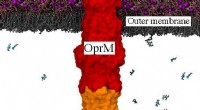
* Membrane Modifications: Some cells have specialized membrane proteins that help transport water molecules across the cell membrane, regulating the rate of osmosis.
4. Examples:
* Red Blood Cells: When placed in a hypotonic solution, red blood cells will swell and potentially burst (hemolysis). In a hypertonic solution, they will shrink (crenation).
* Plant Cells: Plant cells thrive in hypotonic environments, as the water influx creates turgor pressure that keeps them stiff and upright. In hypertonic environments, they lose water and become flaccid.
In Conclusion:
Cells are incredibly adept at dealing with osmotic pressure, using a variety of strategies to ensure they maintain the right water balance for survival. This ability is crucial for maintaining cellular function and overall organism health.