Cell walls are rigid, protective outer layers found in plant cells, bacteria, fungi, and some protists. While their composition varies slightly between organisms, their general structure is based on a strong, interwoven network of molecules.
Here's a breakdown of the typical structure:
1. Primary Cell Wall:
* First layer formed: This is the initial wall laid down during cell division.
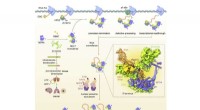
* Composition: Primarily composed of cellulose microfibrils embedded in a matrix of hemicellulose and pectin.
* Flexibility: Relatively thin and flexible, allowing for cell growth and expansion.
2. Secondary Cell Wall (in some cells):
* Formed after primary wall: This layer is laid down after the primary wall, often when the cell has stopped growing.
* Composition: More rigid and thicker than the primary wall, with a higher proportion of cellulose and lignin (in woody plants).
* Function: Provides structural support and rigidity to the cell.
3. Middle Lamella:
* Located between cell walls: This thin layer acts as a glue that holds adjacent cells together.
* Composition: Primarily composed of pectin, which helps to bind the primary cell walls of neighboring cells.
4. Plasmodesmata:
* Channels through cell walls: These small channels connect the cytoplasm of adjacent cells, allowing for communication and transport of molecules.
* Function: Facilitate the movement of water, nutrients, and signaling molecules between cells.
Key Components and their roles:
* Cellulose: Long, unbranched chains of glucose molecules that form strong microfibrils.
* Hemicellulose: Branching polysaccharides that link to cellulose microfibrils, providing flexibility and support.
* Pectin: Gel-like polysaccharides that help to bind cellulose and hemicellulose together, providing cohesiveness and elasticity.
* Lignin: Complex polymer that adds rigidity and strength to the secondary cell wall, particularly in woody tissues.
In addition to the structural components, cell walls also contain:
* Proteins: Involved in various functions, including cell wall synthesis, transport, and defense.
* Enzymes: Catalyze various reactions involved in cell wall formation and degradation.
* Pigments: Contribute to the color of plant tissues.
Overall, the cell wall serves as a vital protective barrier and provides structural support for the cell. Its complex structure, with its diverse components and arrangement, enables it to perform these essential functions with remarkable strength and flexibility.