Biotic refers to all the living components of an ecosystem. This includes:
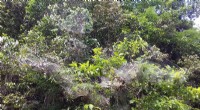
* Plants: Trees, flowers, grass, etc.
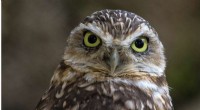
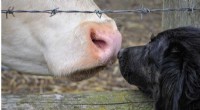
* Animals: Mammals, birds, insects, fish, etc.
* Fungi: Mushrooms, molds, yeasts, etc.
* Bacteria: Microorganisms that play a crucial role in decomposition and nutrient cycling.
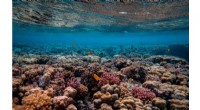
Biotic factors interact with each other and with the abiotic factors (non-living components like sunlight, water, temperature, soil, etc.) to create a balanced ecosystem.
For example:
* Plants need sunlight and water to grow. This is an interaction between a biotic factor (plant) and abiotic factors (sunlight and water).
* Animals eat plants, which provides them with energy. This is an interaction between two biotic factors (animal and plant).
* Bacteria decompose dead organisms, returning nutrients to the soil. This is an interaction between a biotic factor (bacteria) and an abiotic factor (soil).
Understanding the biotic components of an ecosystem is crucial for studying its health, stability, and how it functions as a whole.