Animal Cells:
* Lack a cell wall: Animal cells only have a cell membrane, which is a thin and flexible layer. This membrane is primarily composed of phospholipids and proteins, allowing for fluidity and movement.
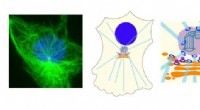
* Cytoskeleton: Animal cells have a complex cytoskeleton made of proteins like microtubules and microfilaments. This network provides structural support and enables cells to change shape, move, and divide.
Plant Cells:
* Cell Wall: Plant cells possess a rigid cell wall made of cellulose, a complex carbohydrate. This rigid structure provides support and protection for the cell, maintaining its shape and preventing it from bursting due to internal pressure.
* Turgor Pressure: Plant cells also rely on turgor pressure, the pressure exerted by water inside the cell against the cell wall. This pressure contributes to rigidity and helps maintain the plant's upright structure.
In Summary:
* Animal cells are flexible due to their lack of a cell wall and the presence of a flexible cell membrane and a dynamic cytoskeleton.
* Plant cells are rigid due to their rigid cell wall and the presence of turgor pressure.
Key Takeaway: The cell wall is the primary reason for the rigidity of plant cells, while the lack of a cell wall allows for the flexibility of animal cells.