1. Stores Genetic Information:
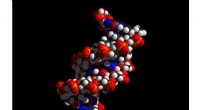
* DNA: The nucleus houses the cell's DNA (deoxyribonucleic acid), which contains the genetic blueprint for the entire organism. This DNA holds the instructions for building and maintaining the cell, and ultimately, the entire organism.
2. Transcription and RNA Synthesis:
* RNA: The nucleus is where DNA is transcribed into RNA (ribonucleic acid). RNA carries the genetic instructions from the DNA to the ribosomes, which are the protein-making factories of the cell.
3. Regulation of Gene Expression:
* Control: The nucleus regulates which genes are expressed (activated) and which are silenced. This allows the cell to adapt to its environment and perform specific functions.
4. Cell Division:
* Replication: Before a cell can divide, its DNA must be replicated. The nucleus plays a critical role in ensuring that the DNA is accurately copied so that each daughter cell receives a complete set of genetic instructions.
5. Protection of DNA:
* Safety: The nucleus provides a protective barrier around the delicate DNA, safeguarding it from damage. This is essential for the stability and integrity of the genetic code.
In summary, the nucleus is essential for:
* Heredity: Passing on genetic information to offspring
* Protein Synthesis: Producing the proteins that carry out cell functions
* Cell Function: Coordinating and regulating all cell activities
* Cell Division: Ensuring that new cells have the correct genetic information
Without a nucleus, cells would be unable to function, grow, or reproduce. It's truly the brain of the cell!